
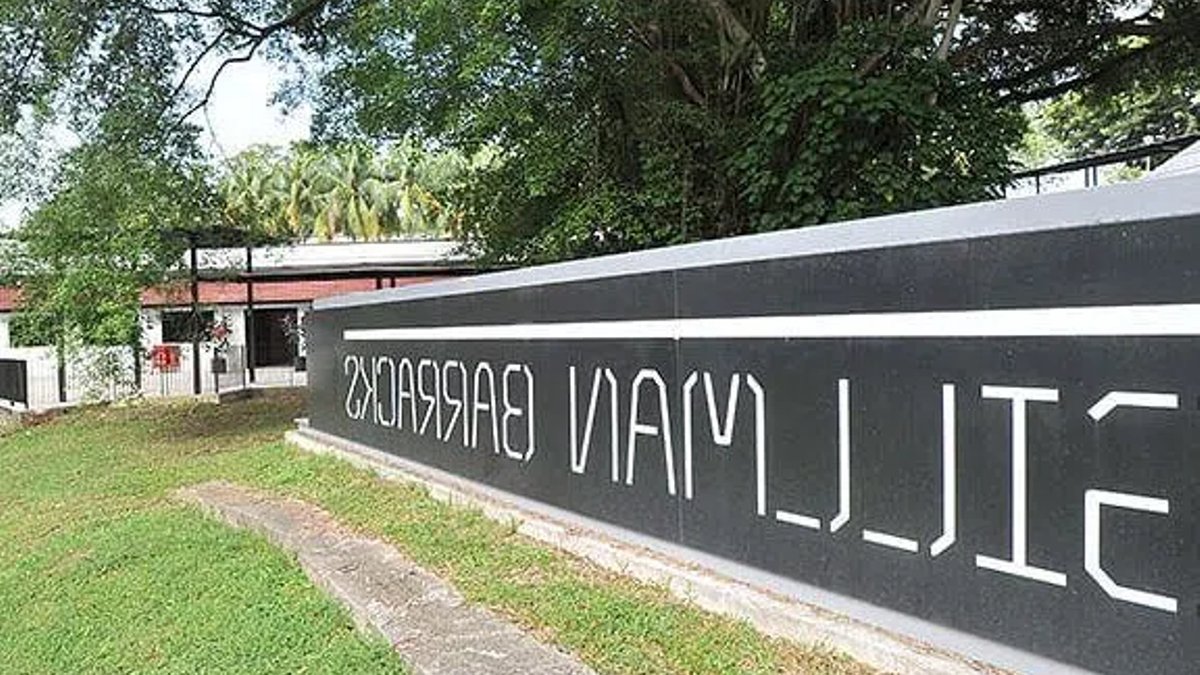
HDB’s plan to convert the 40‑hectare Gillman Barracks site into a residential precinct marks a notable shift for a location that has changed hands only once since the British Far East Command left Singapore in 1971.
From Military Hub to Cultural Zone
When the British forces withdrew, the barracks were transferred for a token sum of exactly $1, a modest gesture that highlighted the handover of sovereignty. The ceremony that followed—lowering the Union Jack and raising Singapore’s flag—signaled the end of a colonial era and the start of local stewardship.
Over the ensuing decades, the site evolved into a mixed‑use enclave, hosting arts studios, galleries, and food‑and‑beverage outlets that gave the former military grounds a lively civilian character.
In 1984, the Singapore Armed Forces’ School of Combat Engineers vacated the camp, again using a nominal fee to mark the transition. Those historic milestones show how the area’s identity has been shaped by both military tradition and community adaptation.
Proposed Ways to Preserve History
City planners suggest two main actions to embed the site’s past into its future. First, they recommend a public “handover of the keys” ceremony when the current tenants move out in 2030. The event would feature a march along Lock Road and Malan Road, echoing the original military processions that once took place there.
Second, officials propose publishing a detailed volume documenting the barracks’ 90‑year story. Existing information is scattered among HDB assessments, National Library Board archives, and volunteer‑run walking guides. A single, community‑focused book could knit these fragments together, offering a narrative that survives beyond the physical structures.
Physical preservation alone would leave the site with empty shells; without active storytelling, future generations might inherit buildings that have lost their names. The plan therefore emphasizes both conservation of architecture and the cultivation of memory.
Related: Extending Wi-Fi to your garden room
The plan aims to blend history with homes.
One possible challenge is balancing heritage with the need for modern housing. The demand for new homes in Singapore remains high, and developers must meet density targets while respecting the site’s legacy. Integrating historic markers into new streetscapes could provide a compromise, but it will require careful design and ongoing community input.
Community Response and Next Steps
Local residents and heritage groups have voiced mixed reactions. Some welcome the prospect of new homes and the preservation of iconic elements like the four concrete panels forming the Middlesex Regiment’s insignia. Others worry that commercial development could erode the unique cultural vibe that has taken root over the past decades.
HDB has indicated that the redevelopment will proceed in phases, allowing current occupants time to relocate and ensuring that any demolition is preceded by documentation of the existing environment. The agency also plans to keep certain historical features intact, though specifics have yet to be released.
In the meantime, the upcoming handover ceremony could serve as a public forum for dialogue, giving stakeholders a chance to voice concerns and suggestions before the ground is broken.
Success will likely hinge on how well the new residential precinct can honor the past while meeting contemporary needs. If the commemorative events and the proposed history book resonate with the community, they may set a precedent for future redevelopments of historic sites across the island.


