
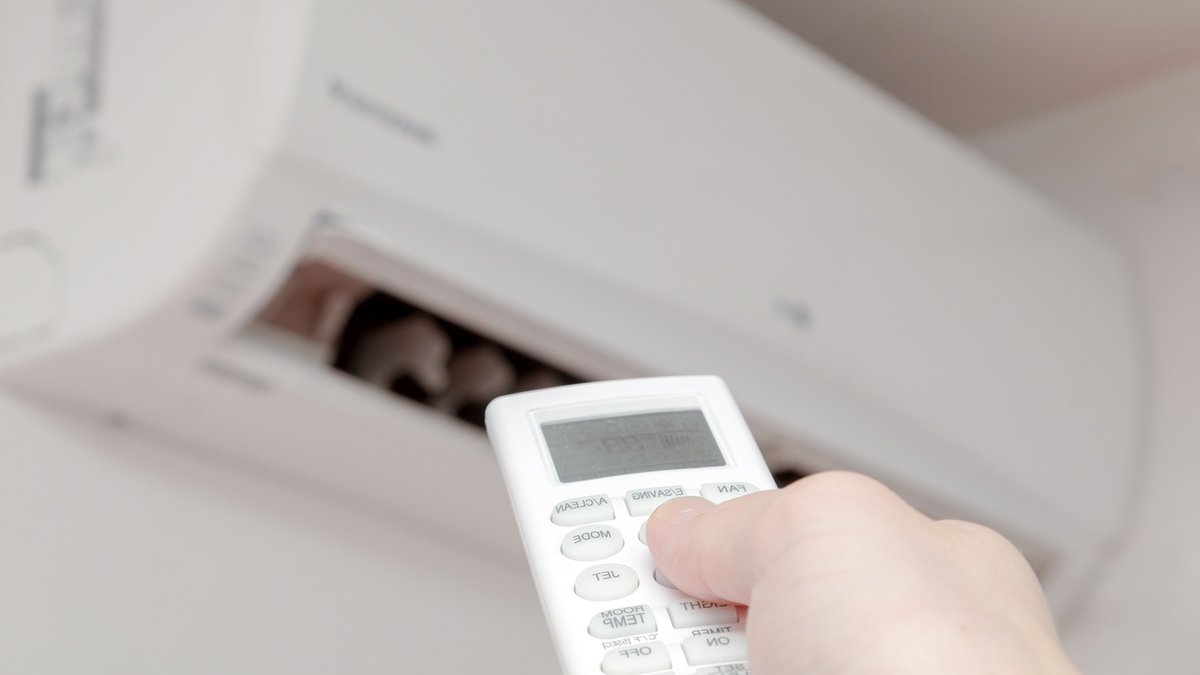
Air-to-air heat pumps are gaining attention as a dual‑purpose system that can warm homes in winter and cool them in summer, offering a compact alternative to the more common air‑to‑water models.
How the technology works
According to Becky Lane of home‑improvement firm Furbnow, an air‑to‑air heat pump extracts heat from outdoor air using a fan that draws air across a refrigerant‑filled coil. Even on chilly days the refrigerant absorbs warmth, which a compressor then raises to a higher temperature before sending it to an indoor unit.
Related: Extending Wi-Fi to your garden room
Inside the house, the heated refrigerant passes through coils in the indoor unit, and a fan blows over them, warming the circulating air. In cooling mode the process reverses: the system draws heat from indoor air, transfers it to the outdoor unit, and expels it outside.
Unlike air‑to‑water systems that heat water for radiators or underfloor heating, air‑to‑air units distribute temperature‑controlled air directly, eliminating the need for a separate water‑based network.
Installation and the indoor experience
Lane notes that air‑to‑air heat pumps are “relatively easy to install, requiring fewer modifications to your home compared to air‑to‑water systems. Another benefit is that air‑to‑air heat pumps can create different temperature zones in your home, allowing for personalised comfort and energy savings. Paired with systems such as programmable thermostats, you can create the perfect balance within your house.” Indoor units are typically wall‑mounted “blower” units or cassettes, though some models can be floor‑mounted. Because the indoor and outdoor units do not have to be close, the technology can be used in flats where space is limited.
Related: Christmas Details That Cannot Be Missed in Your Home
The system can support several indoor units—usually three to five—allowing for separate temperature zones. This zoning, combined with programmable thermostats, can help households fine‑tune comfort and manage energy use.
Latest developments and future outlook
Manufacturers are addressing earlier drawbacks by improving low‑GWP refrigerants, reducing noise, and adding smart‑home compatibility. Some new units can be controlled via mobile apps, and a growing number include integrated hot‑water modules, narrowing the gap with water‑based systems.
For households that prioritize cooling as temperatures rise, an air‑to‑air heat pump can replace a separate air‑conditioning unit, consolidating heating and cooling under one roof.
Related: Solar Panels: The Best Solution for Your Home
In practice, the decision often hinges on the balance between upfront cost, the need for hot‑water integration, and the comfort preferences of occupants. If a family values the ability to set distinct temperatures in different rooms and is comfortable with wall‑mounted units, the technology could deliver noticeable savings and a simpler system layout. Conversely, those who favor the even warmth of radiators or who lack the budget for a separate water‑heating solution may find traditional air‑to‑water heat pumps more appealing.
Overall, air‑to‑air heat pumps represent a viable, though still emerging, option for UK homes, especially as the industry continues to refine efficiency and expand functionality.


