
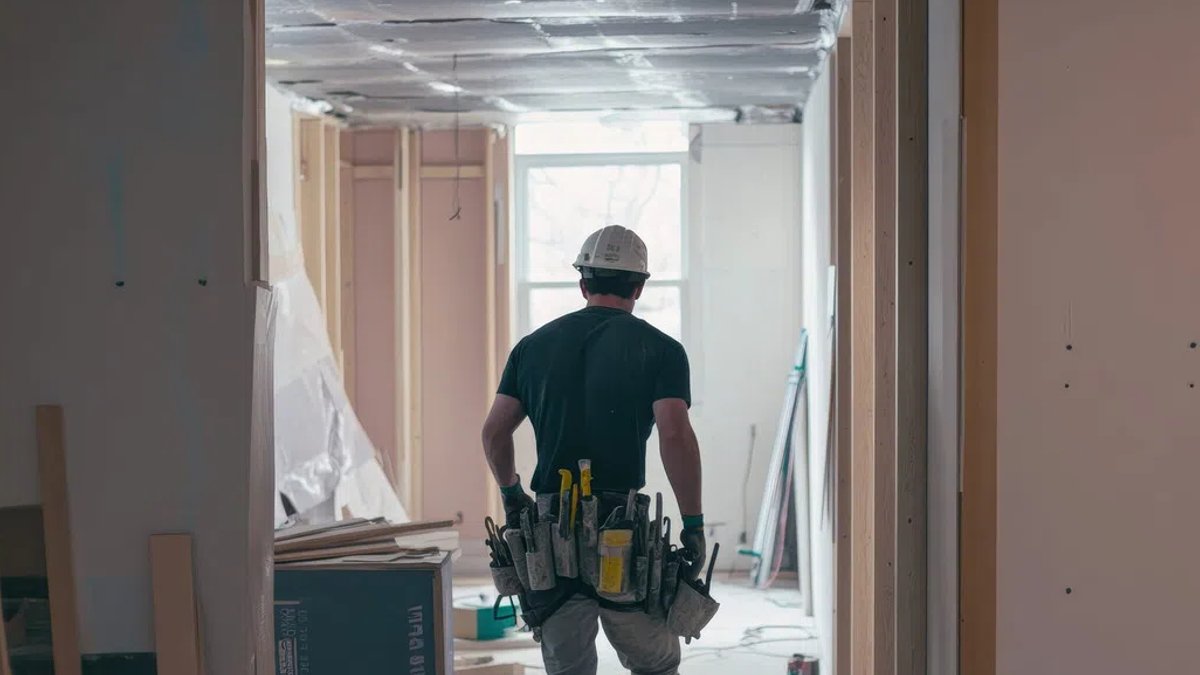
Singapore homeowners looking to renovate this year can turn to the Home Ownership Guide 2026 for a step‑by‑step overview of budgeting, permits and material choices.
Budget ranges and timing expectations
Renovation costs differ sharply by property type. A new Build‑To‑Order (BTO) flat typically requires between $30,000 and $70,000, while resale HDB units and private condominiums often start at $45,000 and can exceed $100,000 because of demolition, re‑tiling and electrical rewiring.
Experts advise reserving a cash contingency of 10 % to 15 % to cover hidden pipework or structural variations that emerge during site hacking. Timeline wise, a standard BTO project runs eight to ten weeks; extensive resale overhauls may stretch to fourteen weeks. Homeowners are urged to lock in primary functional goals early, separating essential built‑ins from optional cosmetic upgrades.
Financing options and loan considerations
With renovation budgets climbing to $140,000 for a typical four‑room HDB flat, many buyers rely on private renovation loans. Unlike HDB home loans, which can be paid with CPF savings, renovation loans are sourced from banks and come with monthly repayments and fixed‑term interest rates. The loan tenure and rate depend on the borrower’s credit profile and the chosen lender.
One homeowner, identified only as Alvin, incurred roughly $96,000 in loans and credit‑card debt to refurbish his four‑room HDB flat in 2023. He recalled, “At the beginning, it didn’t feel like debt. It felt like building a home.” His experience showed how project scope can expand when lighting, furniture and appliances are added beyond the original plan.
Related: Design Schools Lack Real World Preparation
Renovation financing is not the only hurdle. Renovation loans differ from home loans in that they cannot be paid using CPF funds. Borrowers should compare interest rates across banks and consider the total cost of repayment over the loan term before committing.
Renovating a landed property offers the most design freedom, yet any structural addition must be approved by the Building and Construction Authority and the Urban Redevelopment Authority. This adds another layer of regulatory compliance not required for most HDB flats.
Many weigh the choice between an HDB flat and a condominium based on lifestyle preferences and long‑term cost considerations. Condominiums provide amenities that may justify higher renovation spend.
These technologies help DIY‑oriented owners plan material lists and spatial arrangements before hiring contractors.
Singapore’s public housing policies have gradually expanded to include singles, reflecting shifting demographics. This inclusion may affect future renovation trends as more individuals manage financing and regulatory requirements on their own.


