
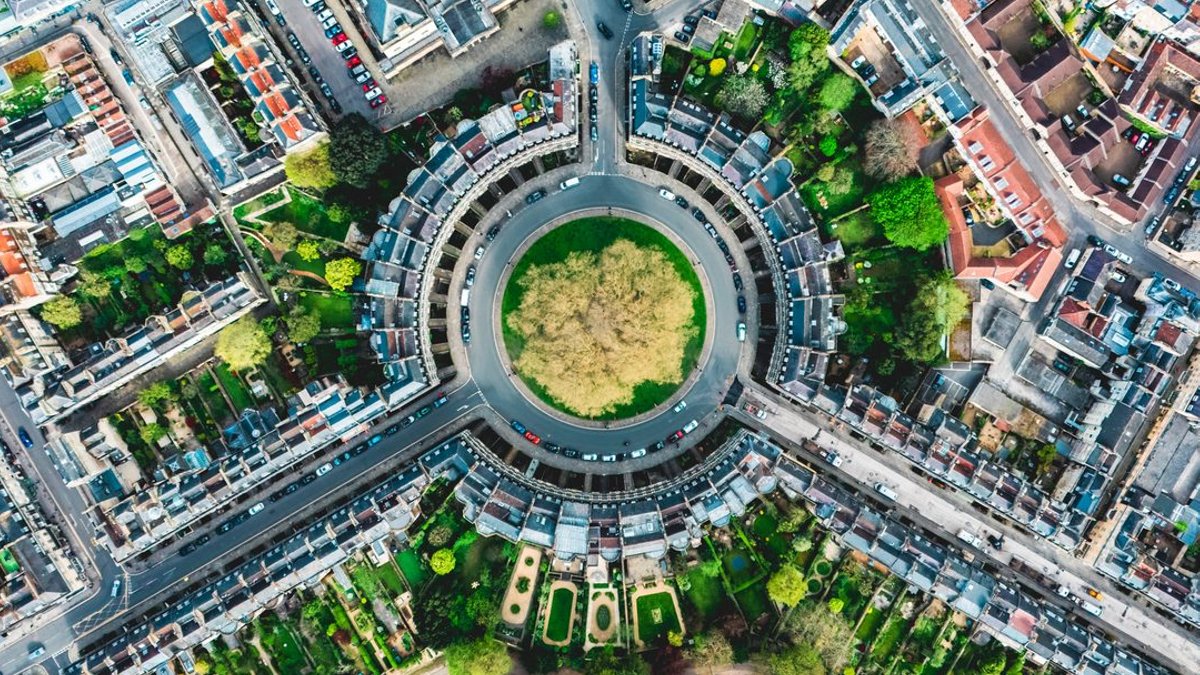
A new report by the Horticultural Trades Association (HTA) says green spaces should be prioritized in urban planning. It highlights their ability to cool towns and cities during heatwaves, reduce flood risks, improve mental and physical health, support biodiversity, and create resilient communities.
The Value of Green Spaces report warns the UK is dismantling its natural defenses against extreme weather. It argues that investing in green spaces is a practical solution to the country’s challenges, not an optional extra.
Green spaces as essential infrastructure
The report, launched at Horticulture, The Conference, positions parks, street trees, public planting, and green infrastructure as essential national infrastructure alongside housing, transport, and energy.
“Green spaces quietly work for us every day,” said Fran Barnes, HTA Chief Executive. “They cool our towns and cities during heatwaves, absorb rainwater during storms, improve air quality, support wildlife, and help keep us physically and mentally healthy.”
Barnes emphasized that green spaces must be integrated into planning decisions from the start, not added as an afterthought. “Investing in green infrastructure is investing in healthier people, stronger communities, and a more resilient UK,” she said.
Cooling power of urban planting
The report highlights the cooling power of urban planting, especially after the UK’s record-breaking heatwaves and over 2,700 excess heat-related deaths in May and June 2026.
One large street tree can provide cooling equivalent to 10 air-conditioning units. Green infrastructure can reduce city temperatures by up to 5°C during heatwaves. Grass surfaces can be 24°C cooler than asphalt, and trees reduce harmful heat exposure by up to 96%.
Read Also: Radio 2 presenter renovates Victorian home in Penarth
Health benefits and cost savings
As the UK’s aging population pressures public finances, the report identifies green spaces as preventative health infrastructure. Access to nature is linked to better physical and mental health, reducing pressure on NHS services.
Time spent in green spaces saves the NHS £148 million annually in reduced GP visits, enough to pay salaries for over 3,500 nurses. A therapeutic gardening pilot in East Lothian, saw patients with mild-to-moderate depression require 67% fewer GP appointments within three months of completing the program.
Inequalities in access
The report highlights growing inequalities in access to green infrastructure. People in neighborhoods with high access to green spaces live 2.5 years longer on average. Children living more than a 20-minute walk, from green spaces have over two hours more screen time and poorer mental health than those within a five-minute walk.
Around 8 million people live more than a 15-minute walk, from a green space, with lower-income households and ethnic minority communities disproportionately affected. The report warns that 409 square kilometers of private green gardens are at risk of being paved over in the next five years, while public parks lost £690 million in funding between 2010 and 2021.
Public support and action gap
New YouGov polling shows strong public support for protecting and expanding green spaces. 93% say parks and trees are important in new communities, 85% want existing green spaces protected, and 76% support increasing public green space through planning.
However, there’s a significant “say-do gap.” Only 12% of UK adults have planted trees or greenery for shade or cooling, and just 4% have replaced hard surfaces with planting or permeable alternatives to improve flood resilience.
The report calls on the government, local authorities, developers, businesses, and communities to work together to protect, expand, and sustainably fund green infrastructure.


