
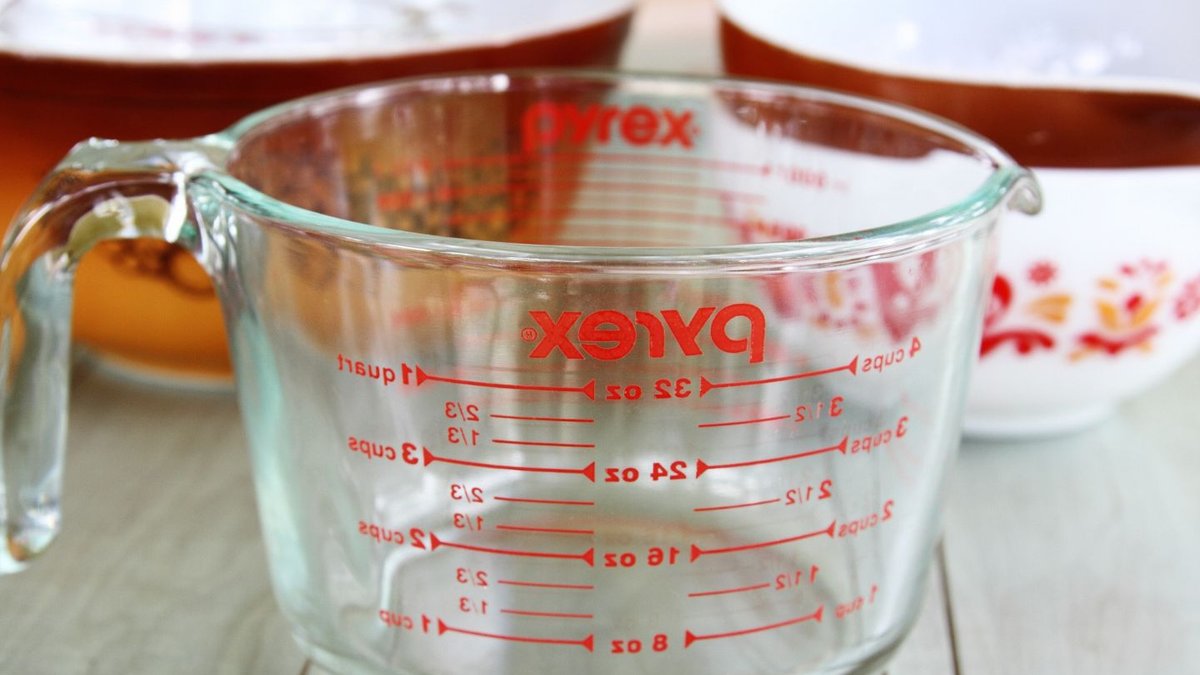
A cardboard box marked “donate” sits on a kitchen counter, half-filled with mixing bowls, casseroles, and refrigerator dishes. The items look ordinary—milky white, faded turquoise, or pink—but they are not. These are Pyrex patterns, once common in American kitchens, now coveted by collectors who recognize them by name. The Corning Museum of Glass preserves examples, and enthusiasts scour thrift stores for the right pieces, often stumbling upon them in their own cupboards.
Pyrex’s printed patterns, introduced in the mid-1950s, were revolutionary. Before then, the brand was known for its solid-color opalware, but the addition of designs transformed it into a collectible. The first printed patterns, Snowflake and Pink Daisy, debuted in 1956, marking the start of a decades-long run of recognizable motifs. Today, collectors prioritize condition over pattern, but identifying the right pieces requires knowing which designs were made and when.
The most sought-after patterns, and how to spot them
Butterprint, a farm scene in turquoise, ran from 1957 to 1968 and was among the first printed designs on opal Pyrex. Look for Amish-style illustrations, corn stalks, roosters, and wheat sheaves, often in turquoise on white or white on turquoise. The Corning Museum of Glass notes promotional sets in orange and pink also appeared in the late 1950s. A 1963 “Turquoise” line even combined Butterprint with Snowflake in white on turquoise.
Read Also: Etihad Rail Launches One-Day Nol Pass
Gooseberry, introduced the same year as Butterprint, features gooseberries and leaves, usually on the long sides of dishes. It came in pink on white, white on pink, black on yellow, and a rare gold on beige. Both Butterprint and Gooseberry were the first patterns offered in Cinderella bowls, handled dishes with a spout, designed by John Philip Johnson. A printed bowl with a spout is a dead giveaway.
Snowflake, one of the earliest printed patterns, launched in 1956 in white on turquoise, turquoise on white, and white on charcoal. Later, a Snowflake Blue version ran from 1972 to 1976, so color and backstamp details help distinguish early pieces from later ones. Pink Daisy, its twin, debuted alongside Snowflake in 1956 and lasted until 1963, making it a rare indicator of early Pyrex.
Before prints, Pyrex relied on solid colors. The museum’s records show primary-colored opalware arriving after World War II, with Lime and Flamingo Pink joining the Primary Colors line in 1952. The original multicolor nesting bowls, dated from 1945 to 1968, had thicker rims and deeper bases in their earliest versions, a detail collectors use to verify age.
Some patterns were short-lived. Between 1957 and 1959, Pyrex released promotional gift sets like Black Tulip, Scroll, and Bluebird, along with unofficial designs later named Compass, Yellow Starburst, and Dandelion Duet. The Pyrex Collector warns against overvaluing pieces marketed as “rare” or “one of a kind,” advising skepticism unless backed by documented production runs.
Read Also: Dubai Property Offers Better Value Than Renting
The 1970s brought Spring Blossom Green, a green floral print on white, produced in two versions: 1972–1979 and 1979–1981. Collectors also hunt for Friendship, an orange pattern with a clear patterned lid, made from 1971 to 1974. The museum’s library confirms these variations, but misidentifying them as generic dishes is easy without reference.
Condition matters more than pattern. The Pyrex Collector’s checklist starts with the backstamp: flip a piece over to check for “TRADE MARK,” “PYREX,” “®,” and “MADE IN U.S.A.” Metric capacities signal mid-1970s or later production. Chips, rub wear, and dishwasher damage reduce value, while complete sets, especially with lids, fetch higher prices. A stripped or faded piece, however, draws little interest, even if the pattern is rare.
Evaluating Condition and Authenticity
When evaluating the condition of a Pyrex piece, collectors should look for signs of wear and damage, such as chips, rub wear, and dishwasher damage. The Pyrex Collector’s checklist provides a simple guide for evaluating condition, including flipping the piece over to check the backstamp, feeling every edge for chips, and checking the paint for rub wear and loss. Collectors should also be aware of the importance of keeping sets and lids together, as complete pieces are generally more valuable than incomplete ones.


