
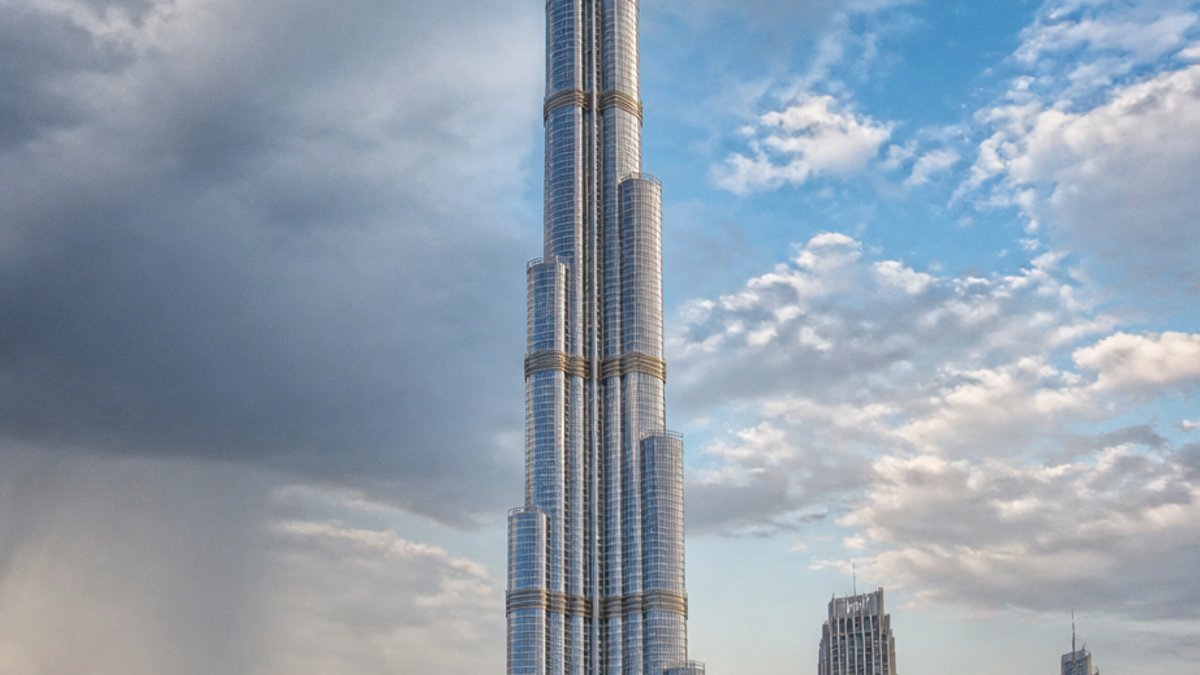
The United Arab Emirates will experience partly cloudy skies on October 12, 2026, with convective clouds developing in eastern and inland areas by afternoon. These conditions may produce localized rainfall across key cities, including Al Ain, Dubai, and Sharjah. Meanwhile, temperatures are expected to reach 39°C in Abu Dhabi and 38°C in Dubai, maintaining the region’s typical late-summer heat.
The UAE’s real estate market depends on infrastructure built to withstand seasonal changes without major interruptions. Both Dubai and Abu Dhabi have integrated climate resilience into urban development, ensuring that buildings, transportation networks, and essential services continue functioning despite weather fluctuations.
Such reliability bolsters investor trust. In markets where unpredictable weather can delay projects, the UAE’s ability to uphold high operational standards, even during occasional rain or extreme heat, supports continuous growth in construction and property management.
Read Also: UAE Gold Prices Show Long-Term Market Trends
For potential buyers and developers, the forecast reinforces the UAE’s reputation for dependability. The country’s stability extends beyond economic policies to its capacity to adapt infrastructure to natural conditions. This consistency remains a defining factor in its position as a leading global real estate destination.
Localized rain or high temperatures will not significantly disrupt daily life in the UAE. The UAE’s ability to provide a predictable and well-supported operational environment, even amidst typical weather fluctuations, reinforces its position as a leading global hub for real estate.


