
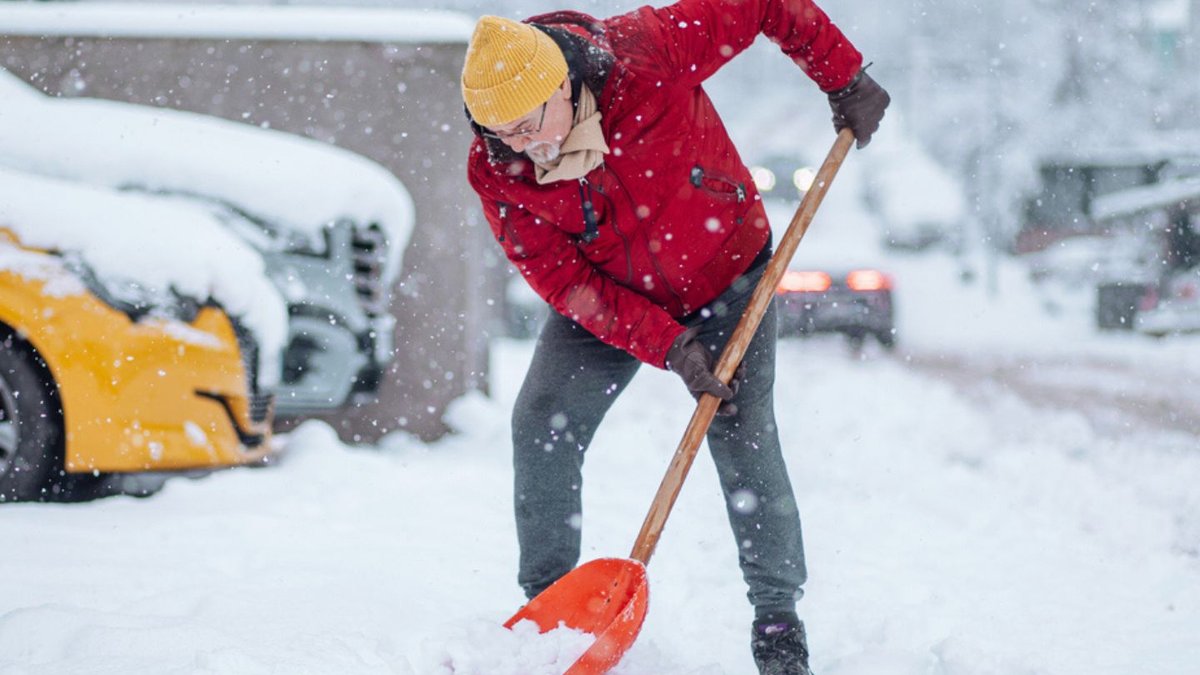
Shoveling snow can be a hidden cardiovascular stressor, especially for people with existing heart risk factors, according to a recent American Heart Association (AHA) scientific statement.
The AHA notes that cold air raises blood pressure while narrowing coronary arteries. Lifting heavy, wet snow mainly engages the arms, which demands more cardiac effort than leg work. Holding breath during lifts spikes both heart rate and pressure, and standing still can cause blood to pool in the lower limbs, reducing return to the heart.
In a study referenced by the AHA, participants’ heart rates climbed above 85% of their maximum after just two minutes of shoveling. The report estimates that hundreds of Americans die each year during or shortly after snow removal.
People with known or suspected heart disease are advised to let others handle the snow. The AHA lists risk factors such as a sedentary lifestyle, obesity, smoking history, diabetes, high cholesterol and high blood pressure. Those who have undergone bypass surgery or coronary angioplasty are specifically cautioned against shoveling.
Patients who have suffered a heart attack or stroke are also included in the recommendation to delegate the task. Barry Franklin, a professor of internal medicine at Oakland University William Beaumont School of Medicine and lead author of the AHA’s 2020 statement, emphasizes that “the strain of heavy snow shoveling may be as or even more demanding on the heart than taking a treadmill stress test.”
Read Also: Hot Chocolate Bars Move From Kitchens To Living Rooms
For anyone uncertain about their risk, the guidance is to consult a physician before the next snowfall, not after symptoms appear.
When snow removal is unavoidable, the AHA suggests several precautions: begin slowly, incorporate short breaks, and favor pushing or sweeping over lifting. Wearing layers, a hat and gloves, and covering the mouth and nose can mitigate cold exposure, especially on windy days.
Using a snow blower can lower heart rate compared with manual shoveling—research cited by the AHA found average rates around 120 beats per minute with a blower versus 170 beats per minute when shoveling.
Any sign of chest pain, pressure, dizziness or palpitations should prompt an immediate stop. If symptoms persist, calling 911 is advised, and if a person collapses, bystanders should begin Hands-Only CPR.


