
Protecting pets in a heatwave means taking practical steps before the temperature climbs so high that dehydration, sunburn or heatstroke become a real danger.
Simple steps to keep animals cool and hydrated
Experts from the RSPCA, Cats Protection and Dogs Trust agree that the first line of defense is limiting exposure during the hottest part of the day, roughly 10 am–3 pm. Keep cats and dogs indoors during those hours, and make sure any outdoor area offers ample shade.
Fresh water should be available at all times. Place wide bowls in several rooms, and consider adding one or two ice cubes to lower the temperature of the liquid. Position the bowls away from food dishes and litter trays so animals are more likely to drink.
Related: RHS unveils new 2027 show site, old favourite returns
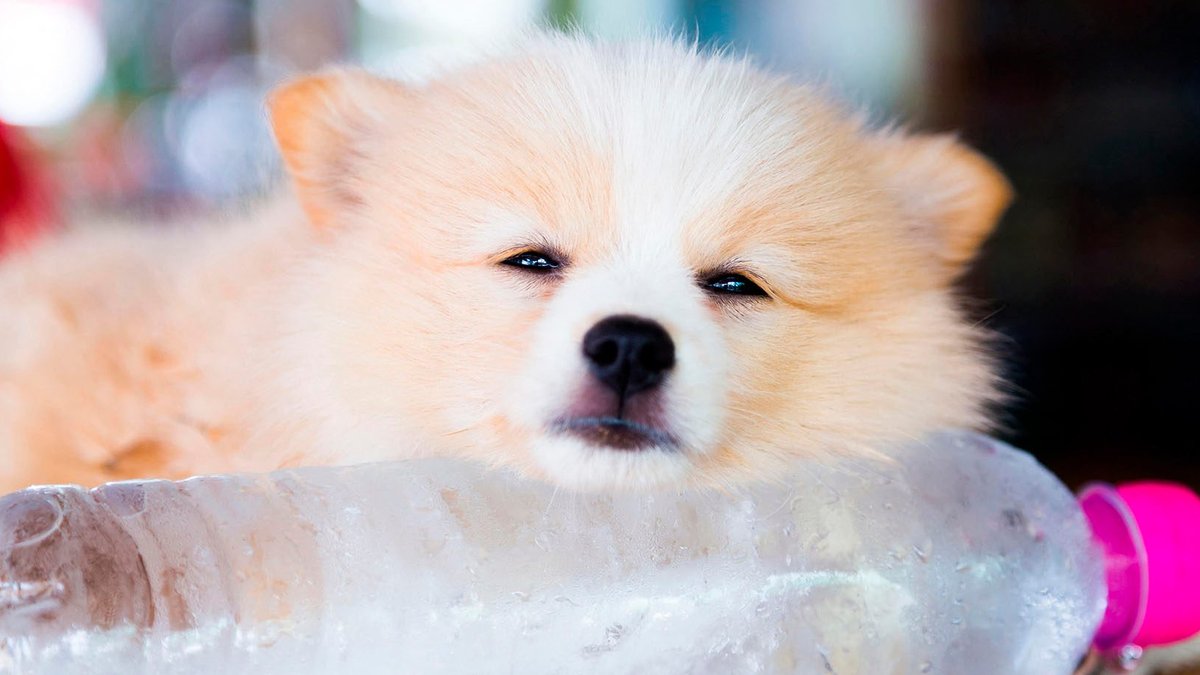
Ventilation helps, too. A fan can circulate air inside the house, but keep windows closed if there’s any risk of a pet slipping out. Some owners find that a frozen water bottle wrapped in a towel makes a handy cooling pad for a favorite resting spot.
For dogs that need exercise, the Dogs Trust advises walking early in the morning or after sunset, when the ground feels cool enough that the back of a hand does not turn red after a few seconds. Grassy, shaded routes are preferable to hot pavement.
If a garden isn’t available, a brief trip to the nearest grassy patch for a bathroom break, followed by an immediate return home, is usually sufficient. Puzzle feeders, snuffle mats or calm training games can keep dogs mentally stimulated while they stay indoors.
Spotting and responding to heat‑related illness
Cooling methods differ by health status. Healthy dogs can be gently immersed in cool water, but older or ill pets should be sprayed with cool water and placed in front of a fan. Never drape a wet towel over an animal, as it can trap heat. The Dogs Trust sums up the response with “Cool first, transport second.”
Related: Family of five renovates Arden condo
Veterinary professionals stress that certain breeds are at higher risk. Brachycephalic dogs such as English Bulldogs, Pugs and French Bulldogs, as well as overweight or senior animals, should receive extra monitoring. Emily Mills, veterinary projects manager at Dogs Trust, says, “Dogs are much more vulnerable to heat than people.”
Sunburn is another hidden hazard, especially for pets with thin or white fur around the ears and nose. Limiting direct sunlight and providing shade can reduce the risk. A pet‑safe sunscreen of SPF 30 or higher may be applied after consulting a vet. Red, sore or peeling skin should prompt an immediate veterinary check.
If you encounter a dog left in a hot vehicle, the advice is unequivocal: call emergency services right away. The RSPCA reminds the public that a car can reach lethal temperatures within minutes, even on a mild day.


