
RHS Badminton Flower Show opens on July 8‑12 on the Badminton Estate in Gloucestershire, replacing the Hampton Court venue for this year’s event.
New venue brings fresh designs to Gloucestershire
The Royal Horticultural Society moved the show to the historic Badminton Estate after the Hampton Court Palace edition became a biennial affair. Organisers say the change offers more space for large‑scale installations and a chance to showcase the surrounding countryside.
Visitors can expect dozens of themed displays, ranging from scented pavilions to craft‑focused gardens. The show runs daily, with entry fees and timed tickets announced on the official website.
Highlights from the featured displays
Perfume Pavilions, designed by Nicholsons Garden Design, imagines a Cotswold setting filled with lavender, honeysuckle, daphne and phlox. Two adjoining glasshouses present geraniums and other fragrant foliage.
The Archers 75th Anniversary Garden by Jo Thompson recreates the front yard of the fictional Bridge Farm from the long‑running radio drama. Easter‑egg references include Pat’s strawberries and Tony’s sweet‑pea seed packets.
The Julia Rausing Garden, a 2,400 m² feature by Tom Stuart‑Smith, is the largest ever at an RHS show.
It blends a wildflower meadow with a woodland‑edge flower border, honoring the late philanthropist who raised over £400 million for charitable causes.
In the middle of the exhibition, it’s worth noting that moving the show to a rural estate may broaden its appeal beyond traditional garden enthusiasts. The setting encourages visitors to experience horticulture in an environment that mirrors many UK backyards, potentially increasing public interest in sustainable planting.
Finding Hope, created by Rick Ford and Pip Probert, supports the suicide‑prevention charity CALM. Sixteen square sections represent daily suicide losses, with a calm palette and a continuous path for reflection.
The Nascent Shade Garden by Elle Arnett, backed by Macmillan Cancer Support, uses sculptural birch, lime and stone to illustrate a proverb about planting trees for future generations.
Sadie May Stowell’s Oregon – The Productive Garden brings elements of the Willamette Valley to England, featuring water features, fruit trees and pollinator‑friendly planting in blue, white and pale‑yellow hues.
Related: Protect Pets from Heatwave Dehydration and Sunburn
Specialist gardens address social themes
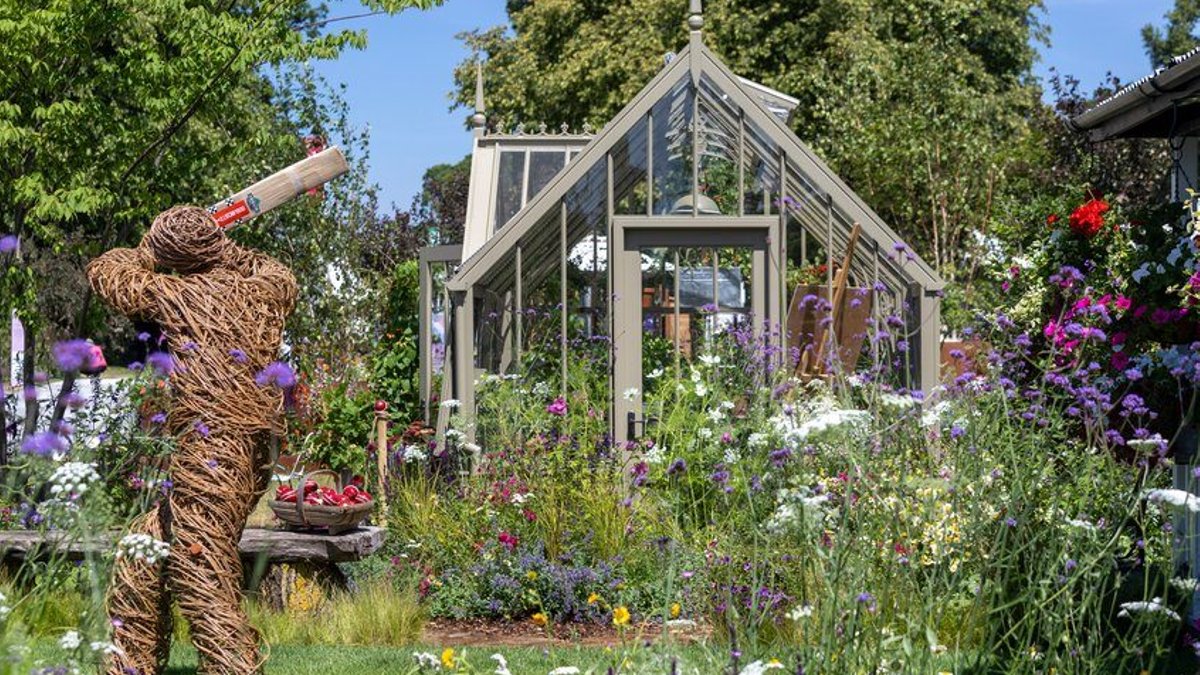
Stephen Moody’s Cricket Pavilion Garden celebrates 150 years of English cricket bat making, combining a traditional pavilion with a neatly clipped lawn and colourful borders.
Sophie Sturgeon’s A Space For Her offers a quiet zone for girls and young women, with a sunken contemplation area and timber posts engraved with affirmations from participants aged 12 to 25.
Sophie Leo’s Where Grief Grows Quiet draws on ancient sheepfolds to create a sanctuary for reflection, using native grasses, field‑type trees and wild‑flower plantain.
Abigail Stoyle’s Silo: All that comes in remains showcases a zero‑waste concept, pairing edible and ornamental plants with oyster‑shell concrete alternatives.
Joshua Fenton’s Electuary reflects his beekeeping background, mixing natural materials with herbal planting such as hawthorn, dandelion, nettle and borage.
Nick Leitch’s Honing Heritage highlights Arts and Crafts influences, featuring an iron gazebo, dry‑stone walls and climate‑resilient species like Nepeta and Yucca.
Rachael Austin’s Artisan Woodland Craft Garden for Ruskin Mill Trust emphasizes handcrafted wooden elements and includes often‑overlooked native plants such as large sedge and self‑heal.
Henry T Pope’s Split Hazel Basketry Garden celebrates a dwindling craft, displaying coppiced hazel trees, a hazel hurdle fence and complementary planting of verbascum, achillea and alliums.
The exhibition also features a pocket‑planting area and a compost‑focused garden sponsored by Treasure Gardening, rounding out the diverse program.
Gold‑medal awards went to the Julia Rausing Garden, the Nascent Shade Garden, the Cricket Pavilion Garden and the Where Grief Grows Quiet garden, among others. The RHS confirmed that over 100 thousand visitors are expected across the five‑day run.


