
The Royal Society for the Protection of Birds has updated its official stance on feeding birds, warning that long-standing habits may actually be spreading disease. The charity advises against leaving out seeds and peanuts between May and October, coinciding with the Royal Horticultural Society announcing it will no longer sell these products during the summer months. This shift in guidance has sparked conversation across the gardening community as many look to replace their current feeding methods.
New Recommendations for Bird Feeders
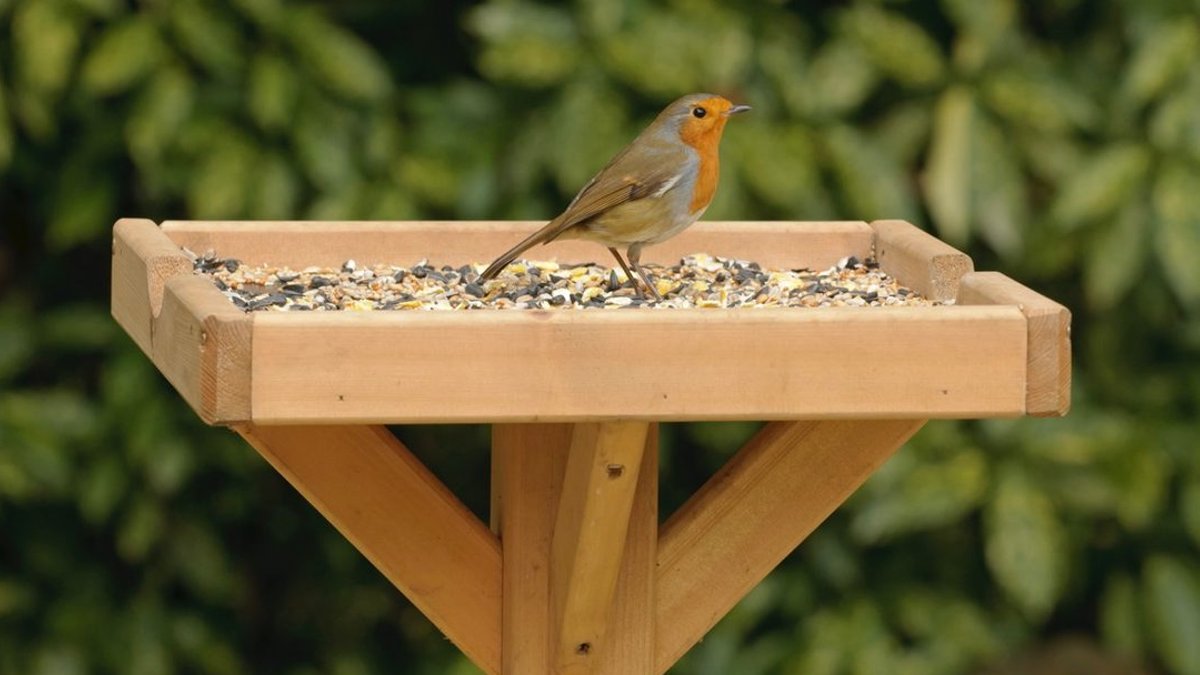
To prevent the spread of illness, the RSPB recommends cleaning feeders and moving them to a new spot weekly. Officials also advise against using bird feeders with flat surfaces, which can collect debris and bacteria. During the warmer season, people are encouraged to stick to fat balls, suet, and mealworms, while ensuring water bowls are cleaned and refilled daily.
Related: Garden takes centre stage at Commonwealth Games
The primary driver for this change is the transmission of trichomonosis, a disease that spreads rapidly in warm weather when birds congregate around feeders. The RSPB notes that these birds are now on the UK Red List due to this decline. Greenfinches have been particularly affected, with numbers dropping by 67% since the Big Garden Birdwatch began in 1979.
The Trichomonas Gallinae parasite is found in the feeders, not on them, explains Dick Woods. As infected birds bury their beaks into the food in a feeder, the parasite is transferred to it through saliva, where it will survive for a while. If bird food is damp or wet and at a certain temperature, it recreates the conditions of a finch’s digestive tract, and so the parasite is able to replicate itself.
Related: Agents face exam retake rule
Replacing Feeders with Natural Habitats
Experts suggest that the safest way to support birds is to cultivate a garden that provides natural food sources. The RHS recommends planting insect-attracting species like lavender and field scabious. These plants also produce seedheads—such as those on teasels—that birds eat in autumn. Leaving the stems of these plants intact over winter provides shelter for invertebrates, which birds then feed on.
Other choices include sunflowers, cornflowers, angelica and teasels, which provide seedheads in autumn and winter. Just remember not to deadhead the blooms after flowering. Insects overwinter in the stems, providing further food for birds. Long and short grass are also beneficial, as birds like goldfinches love dandelions, while blackbirds, thrushes and starlings eat worms and other invertebrates in short grass. Finally, berrying shrubs and trees like hawthorn, elder, ivy, viburnum, Rosa rugosa and honeysuckle provide food in autumn.
Related: Tailor and Colour Analyst Couple Transform HDB Resale in Eunos
“Feeding birds is something millions of us love and value,” said the RSPB’s chief executive Beccy Speight, “but the science shows us that birds such as greenfinches have been affected by the spread of disease at feeders.”
Finches Friend, a company that highlights the need for safer feeding design, describes the new guidance as a positive moment for public awareness. They have been creating feeders specifically designed to minimise disease transmission, releasing their first feeder in 2021. “Birds deserve products that protect them, not expose them to disease,” Dick says. “Feeder design must evolve, which is exactly why we built ours from the ground up to keep food clean, dry and uncontaminated.”


